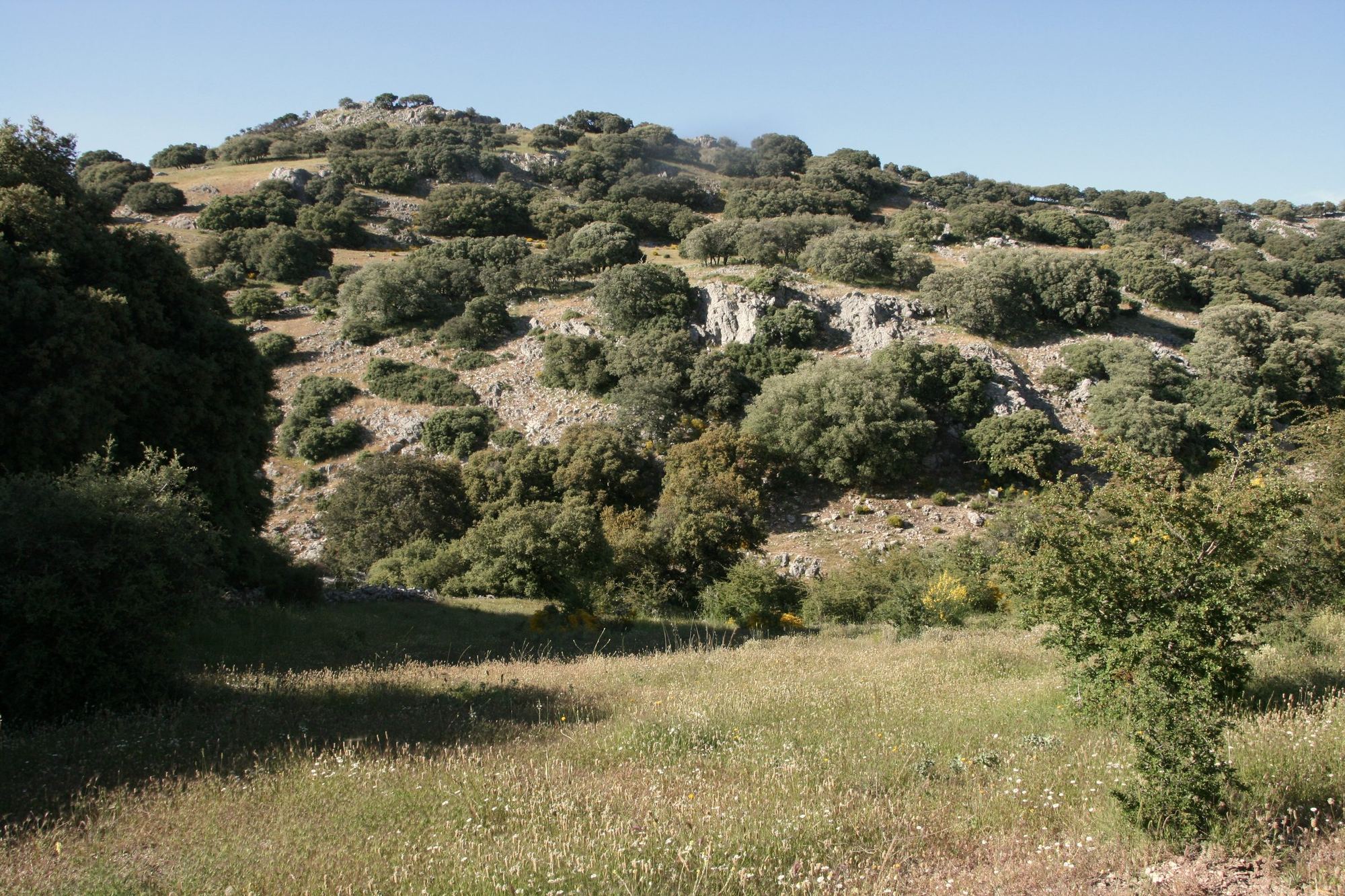
Most hunters who come to Spain for a Southeastern ibex end up in Sierra Nevada or the mountains of Jaén and Almería. Very few have heard of the Sierras Subbéticas, a limestone massif in the middle of Córdoba province, about two hours from the airports of Málaga and Seville. That is exactly why we like hunting here.
This article explains what the Southeastern ibex is, what makes this particular ground different and how a hunting day unfolds with us. If you are still choosing between the four Spanish ibex types, start with our complete guide to Spanish ibex hunting.
The Southeastern Spanish ibex
The Southeastern ibex (Capra pyrenaica hispanica) is the most widespread of the four trophy categories hunted in Spain. It lives along the Betic ranges of Andalusia and the south-east: Sierra Nevada, Cazorla, the mountains of Almería and Málaga and, further west and north, the Subbéticas.
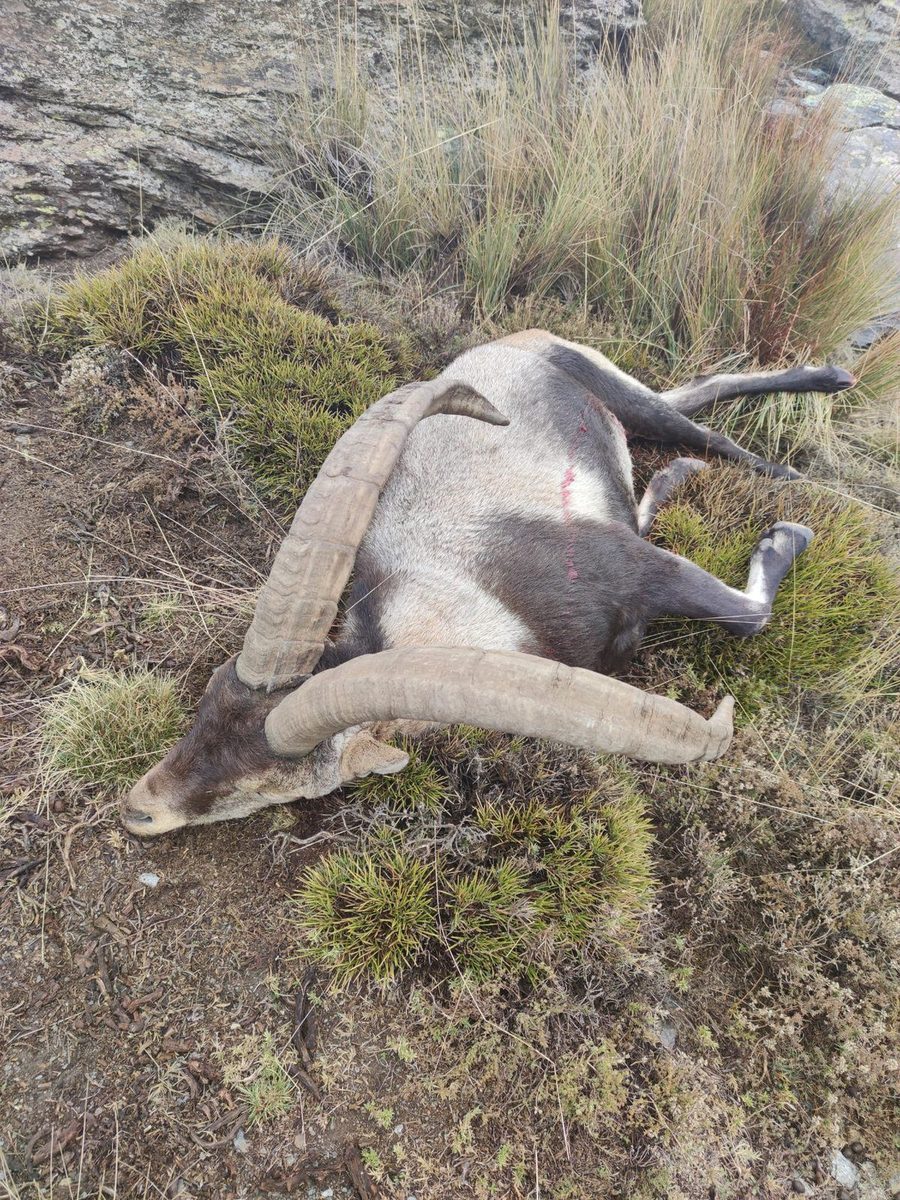
Mature billies carry thick, compact horns that sweep back and slightly outwards, with clear growth rings that make ageing easier than with most mountain game. Coats darken in autumn and winter, when black markings on the legs, chest and flanks stand out against the pale rock. A good mature male is somewhere between eight and twelve years old, and that age — not just the length of the horns — is what we look for.
Compared with the other categories, the Southeastern ibex offers the best balance between success rate, price and accessibility, which is why it is the first ibex for most hunters who go on to complete the slam.
Why the Sierras Subbéticas
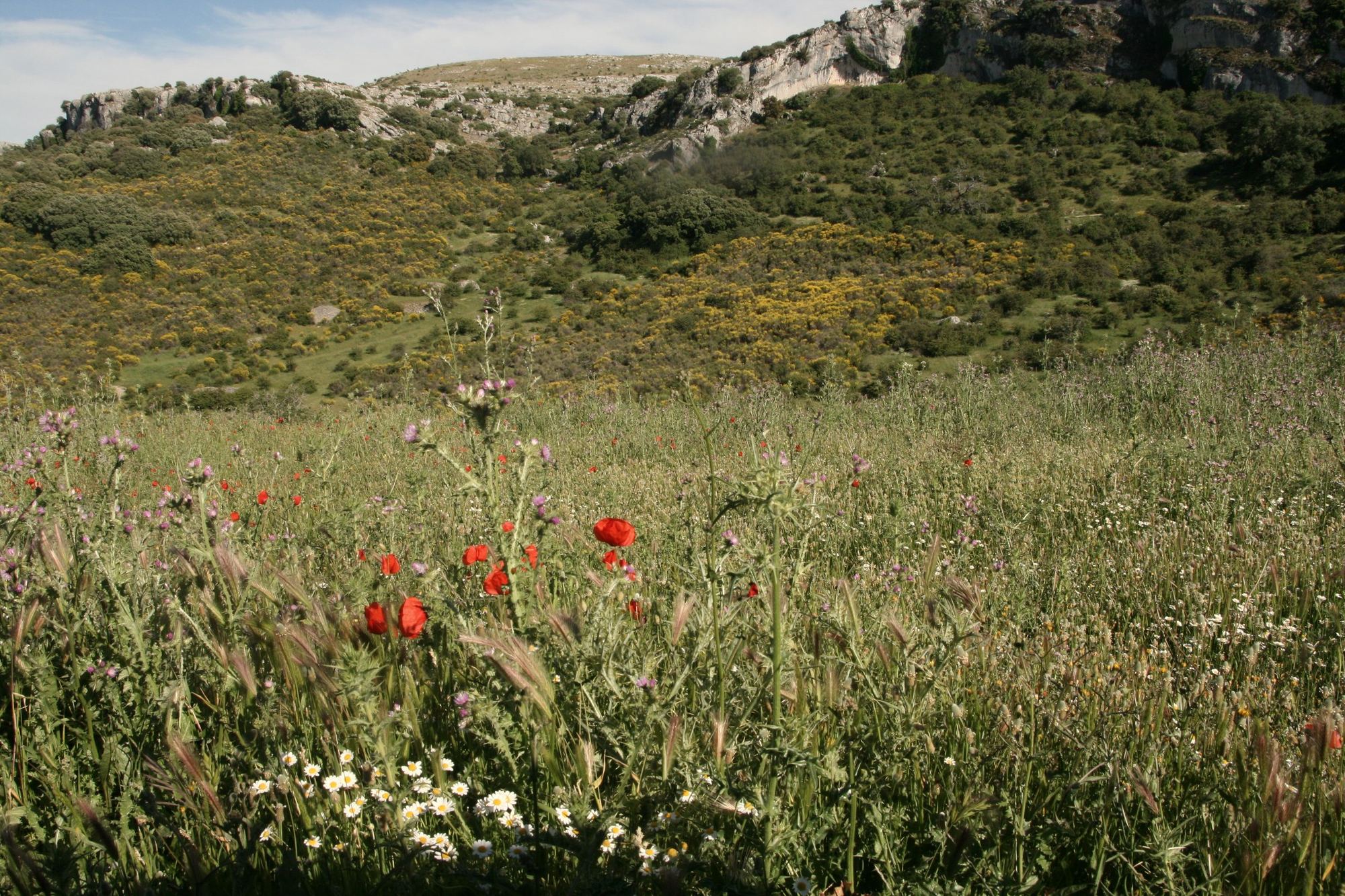
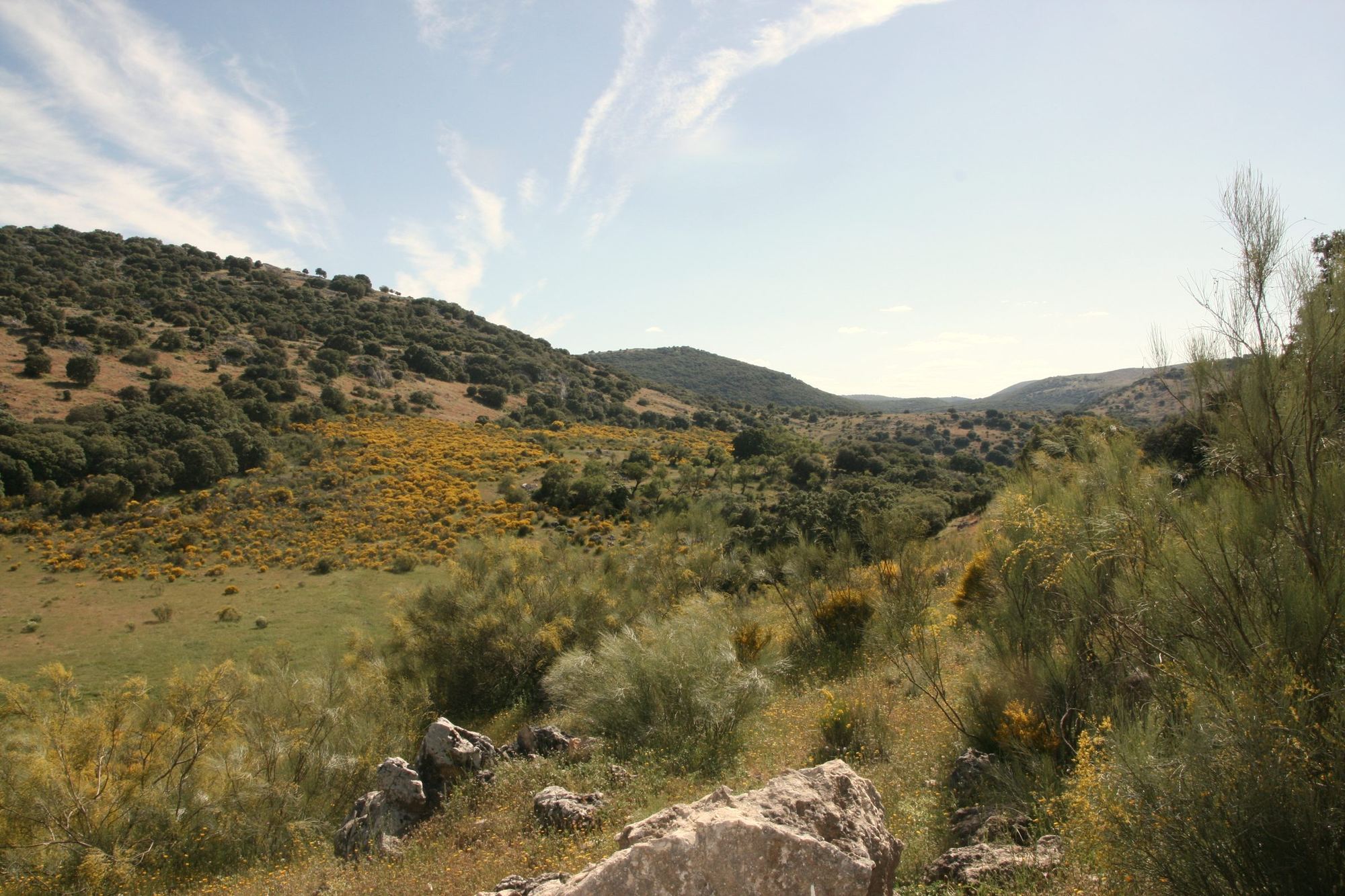
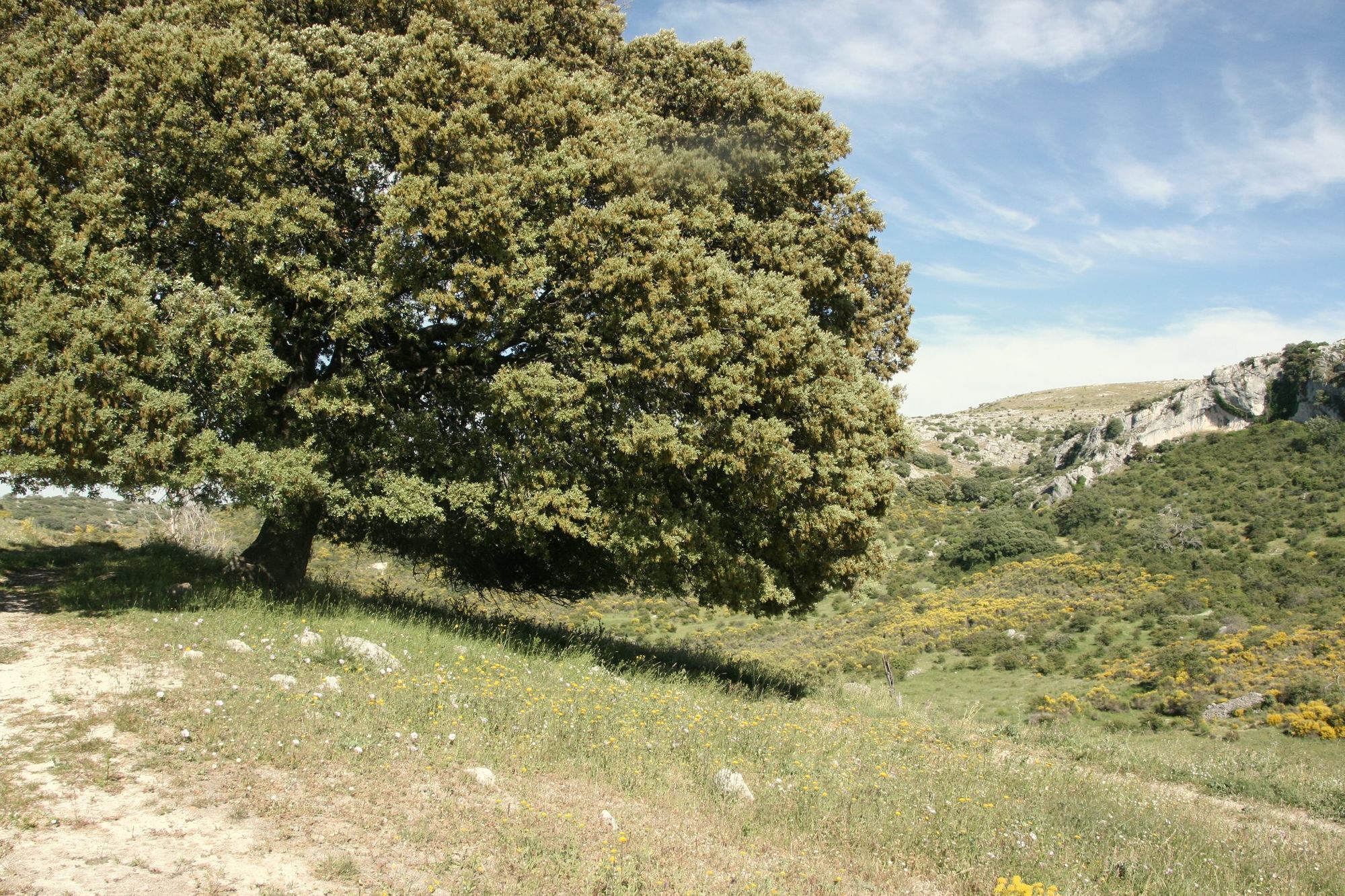
The Subbéticas are a karst landscape: grey-white limestone broken into ridges, cliffs, sinkholes and closed valleys called poljes. The highest point, La Tiñosa, is also the highest peak in Córdoba province, at around 1,570 metres. Around the mountains, as far as the eye can see, lie the olive groves of the Priego de Córdoba olive oil designation.
The massif is protected as a Natural Park and has been a UNESCO Global Geopark since the programme was created, after joining the European Geoparks Network in 2006. Its fossil-rich limestone and caves are famous enough that Cervantes sent Don Quixote to the sima de Cabra, a chasm a few kilometres from our base.
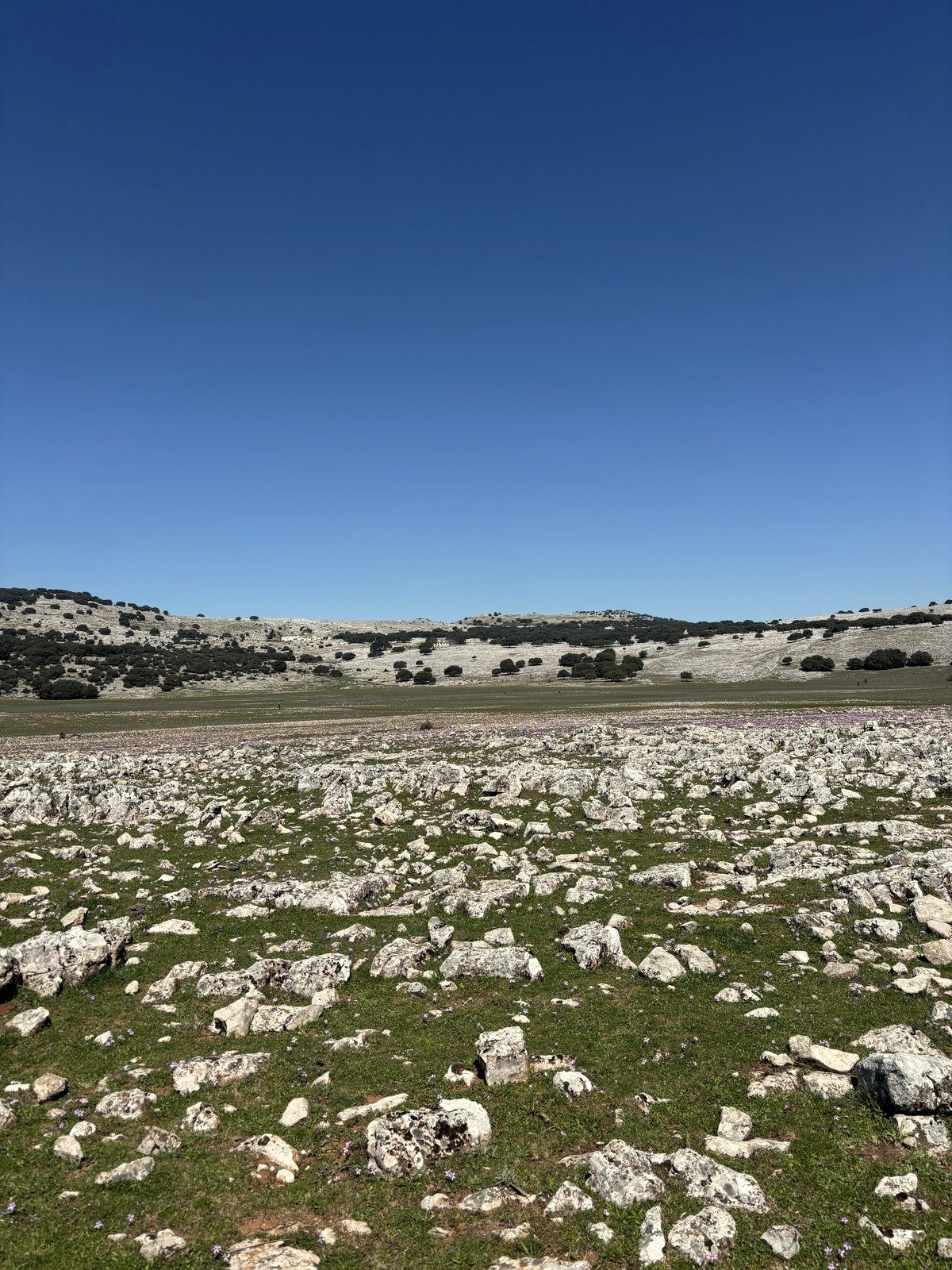
For a hunter, three things make this ground special:
- Open rock, good glassing. Ibex hold to white ridges above the olive groves. You can often watch an animal for an hour before deciding whether to move on it, which means fewer rushed decisions and fewer wounded animals.
- Almost no pressure. There is hardly any structured hunting offer for international hunters in Córdoba province. You will not cross another hunting party.
- Our own ground. We manage the hunting ground ourselves, so the person guiding you is the person answering for the hunt.
How a stalking day unfolds
Every hunt is one guide, one hunter. A typical day looks like this:
- Before first light. We leave Cabra in the dark and drive up to the first vantage point while the valleys are still in shadow.
- First glassing. The first two hours of daylight are the most productive. We sit, glass the opposite slopes and look for feeding animals.
- The stalk. Once we find a billy worth taking, we plan the approach using the wind and the rock. Shots are usually between 150 and 250 metres, from a stable rest.
- Midday. Animals bed down. We eat in the field, move to new ground or rest.
- Last light. A second window as animals get up to feed again.
If we find the right male on the first morning, the rest of the trip is yours. If we don’t, we keep looking. We would rather finish without a shot than take the wrong animal.
Planning your trip
- Season. In Andalusia the 2026–27 ibex season runs from 17 October to 25 April. The rut, in November and December, gives the best odds on a mature billy. See the best time to hunt Spanish ibex.
- Getting here. Fly into Málaga or Seville. We collect you at the airport; the drive is under two hours. Madrid connects by high-speed train to Córdoba.
- Duration. Our Essentials package is three days and two nights; Premium is five days and four nights, with three full hunting days.
- Paperwork. We arrange your Andalusian licence and insurance. Bring your own rifle or hire ours. Details in licence, rifle and trophy export.
- Companions. Córdoba’s Mosque-Cathedral is about an hour away, and the region is full of olive oil mills, white villages and Montilla-Moriles wineries.
Frequently asked questions
Where are the Sierras Subbéticas?
In the south of Córdoba province, in Andalusia, southern Spain — between the cities of Córdoba, Granada and Málaga, and under two hours by car from Málaga and Seville airports.
What success rate can I expect?
High on a healthy population like ours, but never guaranteed. Weather and the mountain decide. What we guarantee is a guide for you alone and an honest opinion on every animal.
What calibre do I need for Southeastern ibex?
A flat-shooting calibre such as .270 Win, 7 mm Rem Mag or .300 Win Mag with good optics is ideal for typical shots of 150 to 250 metres.
Limited places each season
Thinking about a Spanish ibex hunt?
Tell us what you have in mind and we will give you a straight answer — including whether the Subbéticas is the right place for what you want.
Request a quote →Regulations, seasons and fees change. Everything here reflects the situation as we understand it at the time of writing; always confirm current conditions before travelling.