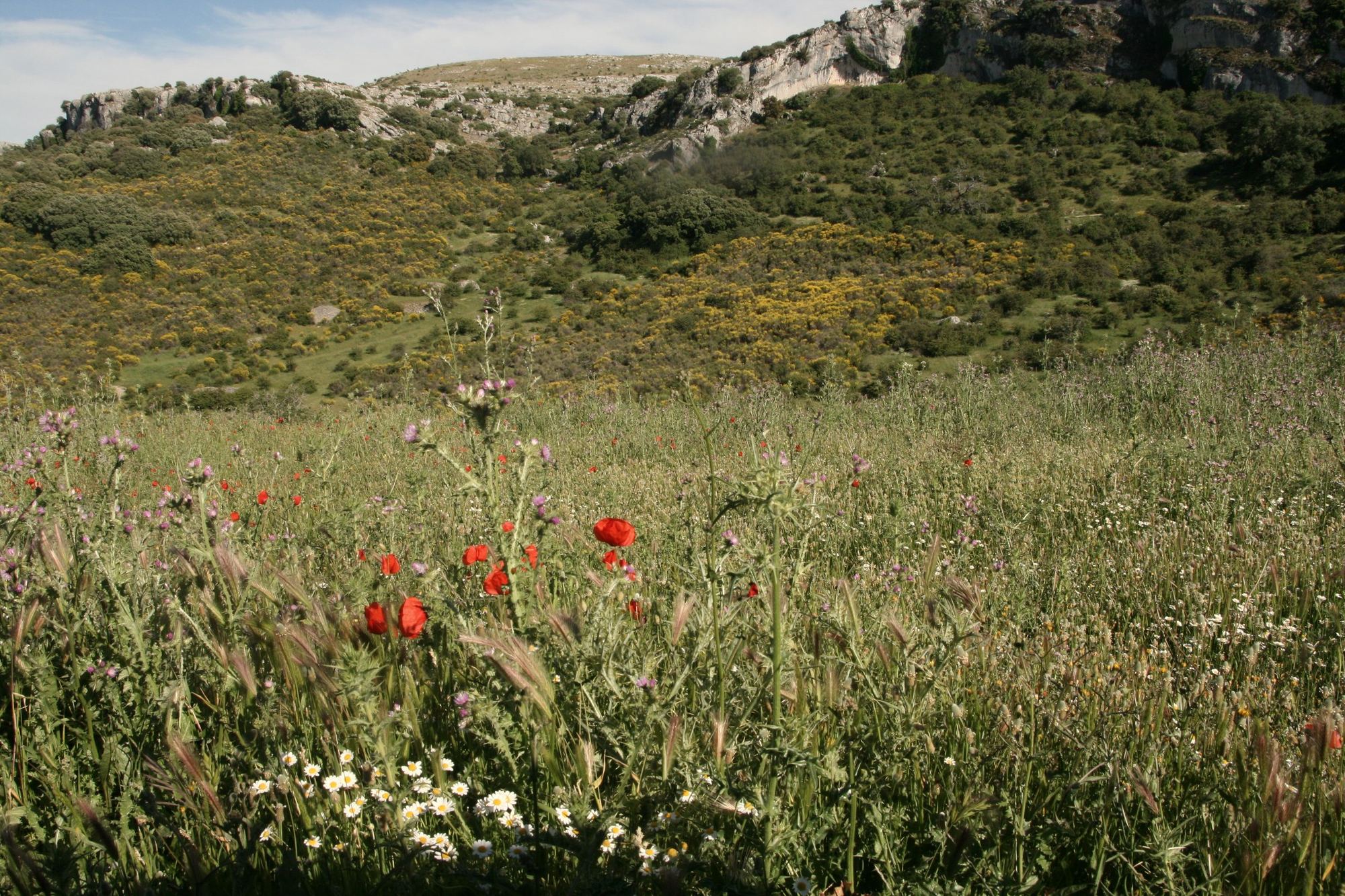
Spain is the only country in the world where you can hunt four recognised types of ibex. That single fact is why mountain hunters eventually end up here — and why choosing where in Spain matters more than most first-time visitors realise.
This guide covers what an international hunter actually needs to know before booking a Spanish ibex hunt: which ibex live where, when to come, how trophies are measured, what paperwork you need, what the hunt physically demands and what it genuinely costs once every line is added up. We guide in the Sierras Subbéticas of Andalusia, so we know that ground best — but most of what follows applies wherever you hunt in Spain.
The four types of Spanish ibex
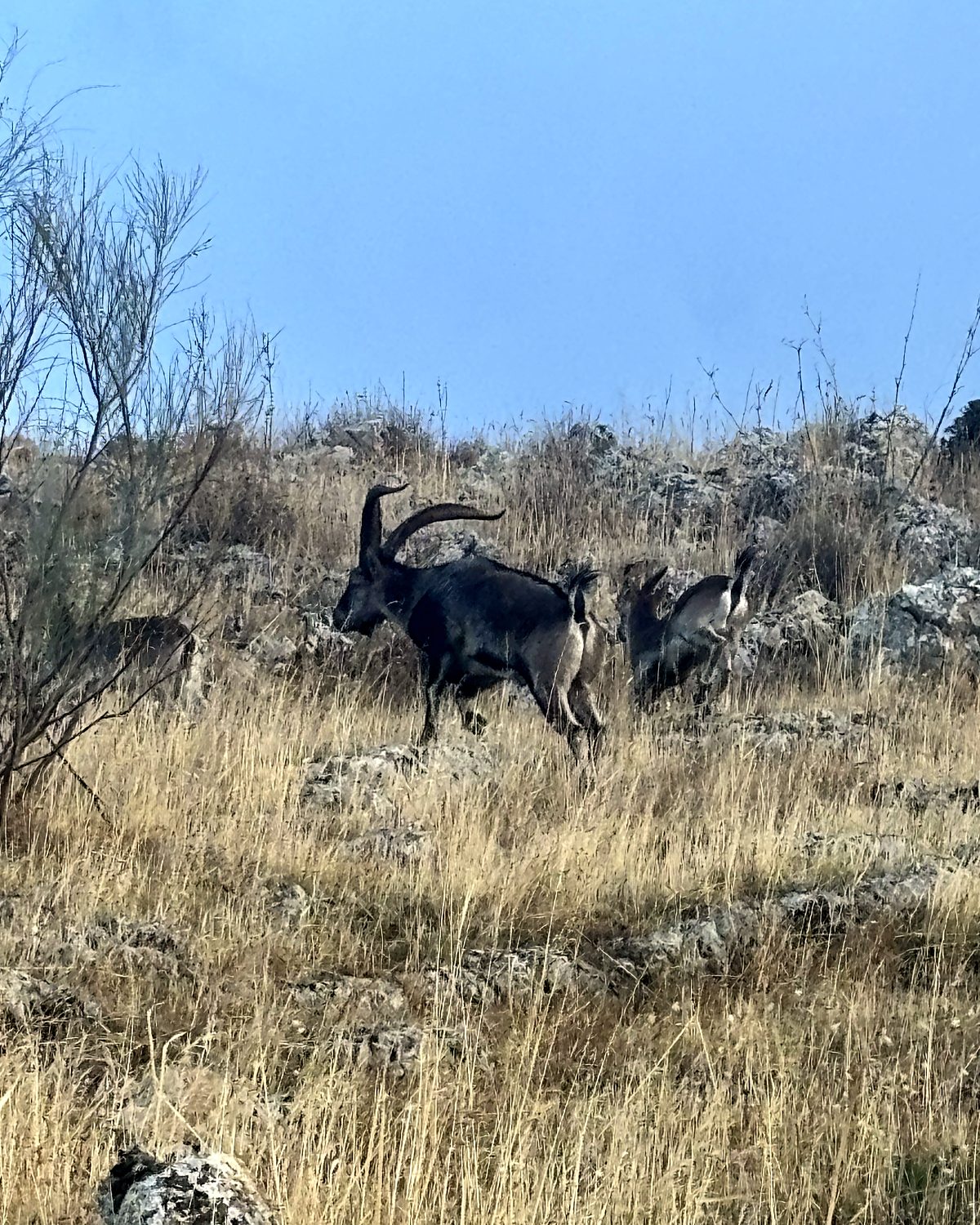
All Spanish ibex belong to one species, Capra pyrenaica. Two subspecies survive today, and hunting practice divides their range into four trophy categories, separated by geography rather than genetics. Record books and outfitters treat them as four different animals, which is what makes the Spanish Ibex Slam possible.
| Category | Where | Character |
|---|---|---|
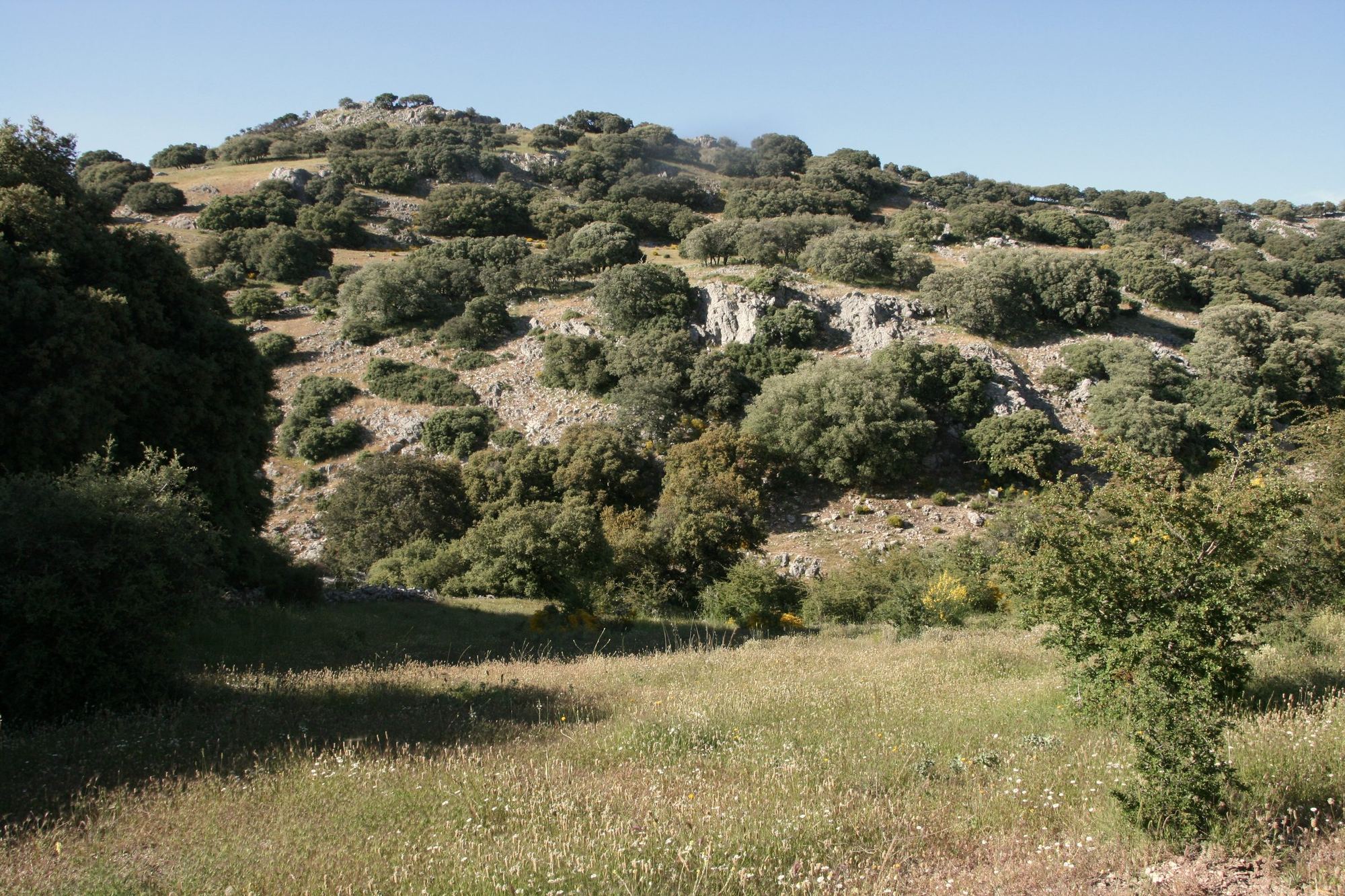
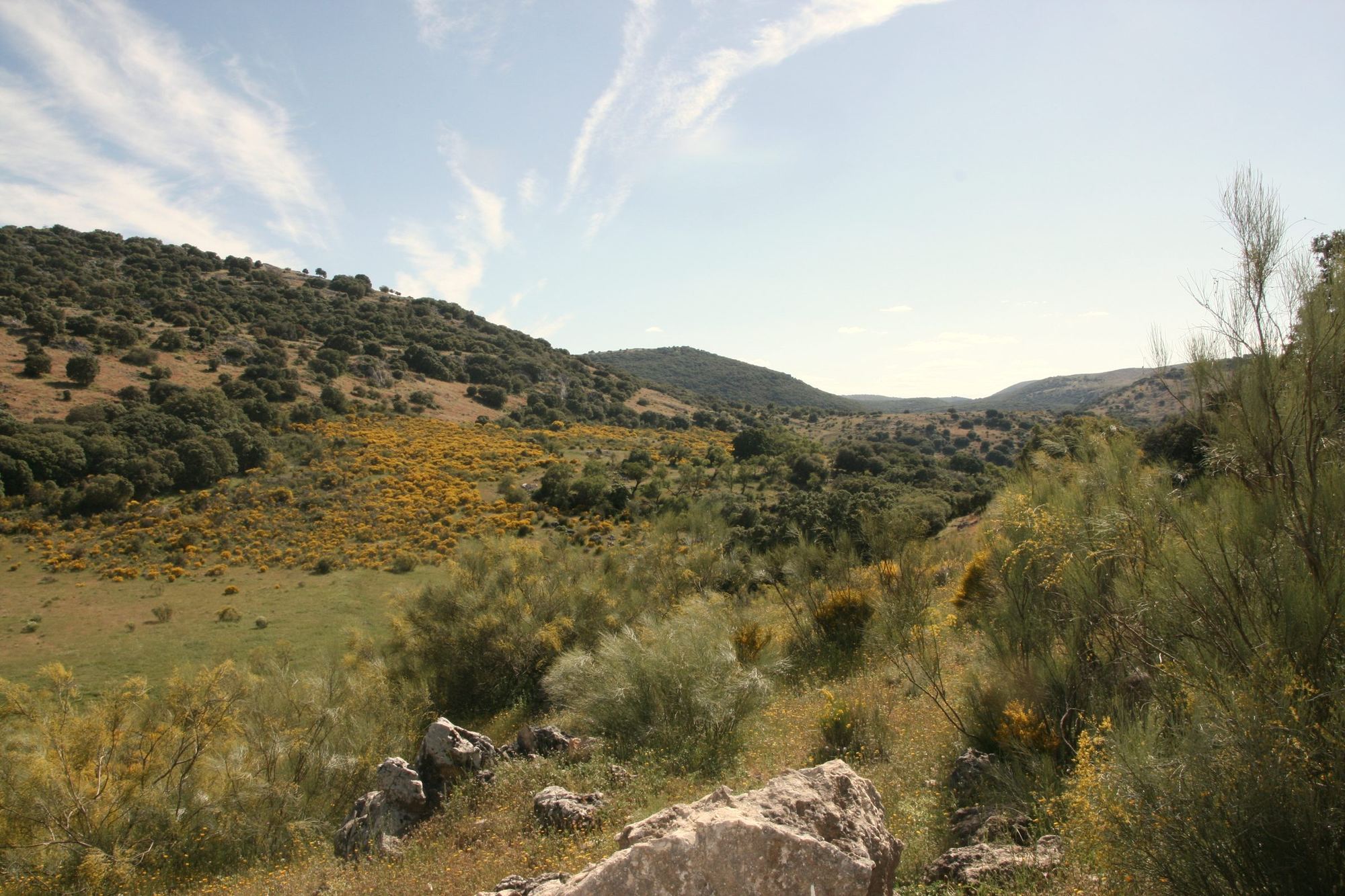
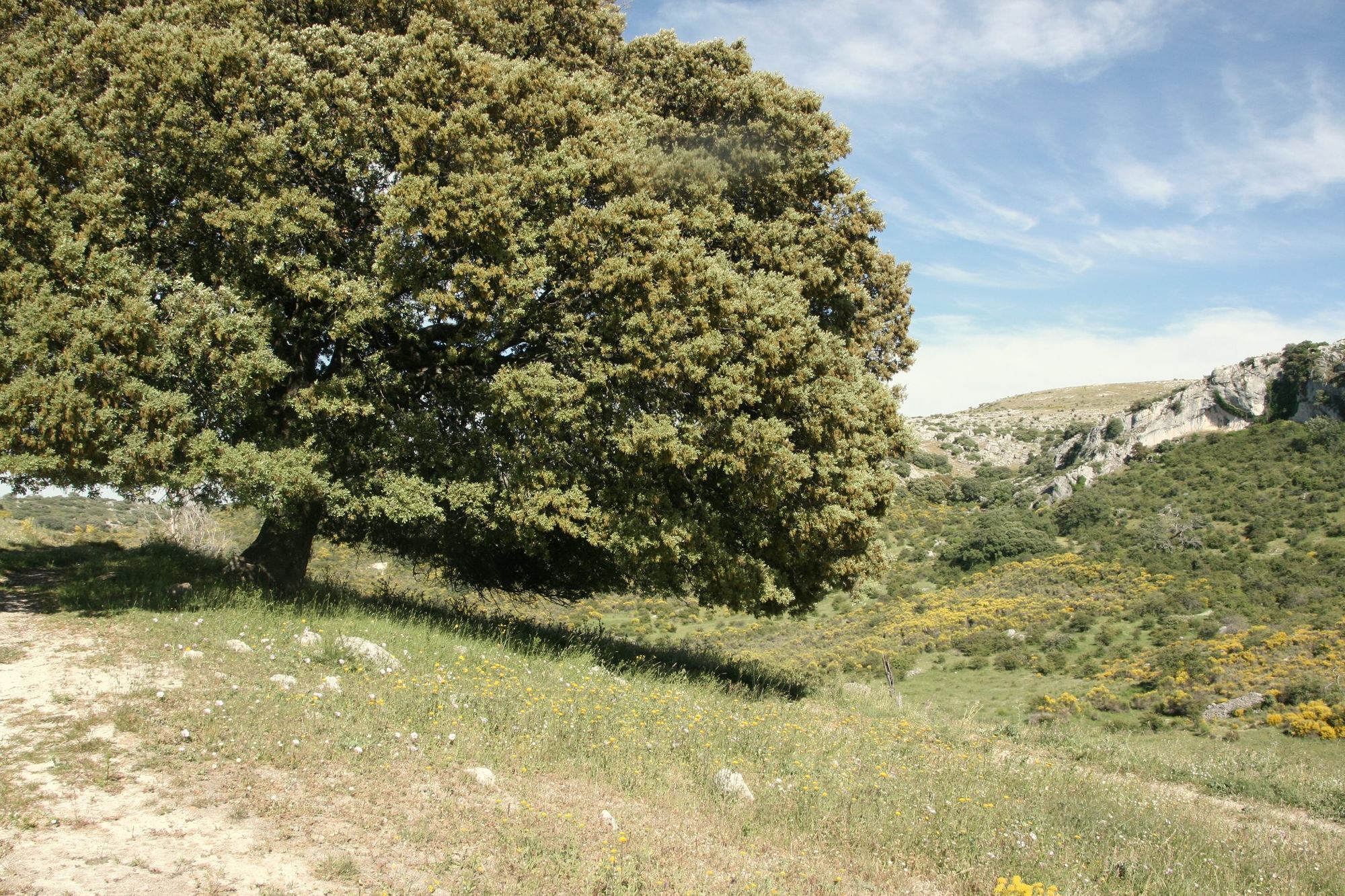
| Southeastern | Sierra Nevada, the Betic ranges of Andalusia and south-east Spain — including the Sierras Subbéticas | The most abundant and accessible. Compact, thick horns |
| Beceite | Eastern Spain, where Aragón, Catalonia and Valencia meet | Long, widely flared horns and heavy trophies |
| Gredos | Sierra de Gredos, central Spain | The most sought-after and most expensive. Massive lyre-shaped horns |
| Ronda | Serranía de Ronda, Málaga | The smallest and scarcest. Steep, dramatic country |
Completing the slam normally takes two or three separate trips, or one long itinerary across the country.
Why the Southeastern ibex is the sensible first one
If you have never hunted ibex, start with the Southeastern. Populations are healthy, so success rates are good and quotas less restrictive than in Gredos. The terrain is genuinely steep but more forgiving than the Serranía de Ronda. And the price sits well below the Gredos premium. We explain what makes our own ground different in Southeastern ibex hunting in the Sierras Subbéticas.
Seasons and when to travel
Each Spanish region sets its own hunting calendar every year. In Andalusia, the 2026–27 ibex season runs from 17 October to 25 April, under the regional hunting order. Other regions use different dates, and some run well into spring, so always confirm the current calendar for the ground you are booking.
| Period | What to expect |
|---|---|
| October | Mild weather, animals still high. Comfortable walking and good light |
| November – December | The rut. Mature billies are more visible and less wary. Cold, changeable weather and the best odds on a big male |
| January – February | Animals move lower after the rut. Bodies run down, horn growth complete |
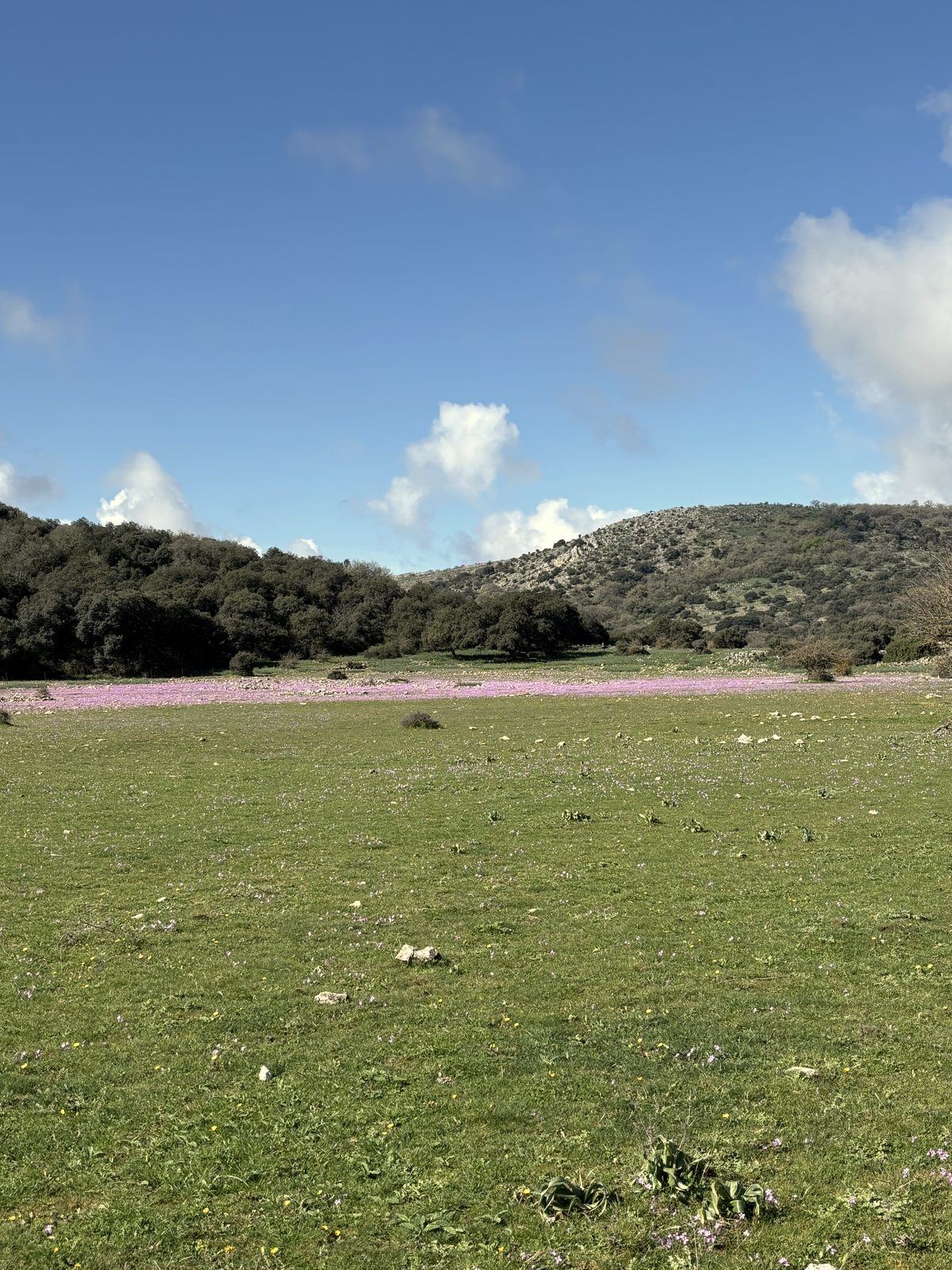
| March – April | Green hills, long days, pleasant weather. Coats start to look their worst |
If a mature male is your priority, come during the rut. If comfort matters, or you are travelling with a non-hunting partner, come at either end of the season. We go month by month in the best time to hunt Spanish ibex.
How trophies are scored
Two systems are used, and outfitters usually price by one of them:
- CIC (International Council for Game and Wildlife Conservation) — the European standard. In Spain, trophies are officially measured and homologated under the CIC formula, which awards bronze, silver and gold medals.
- SCI (Safari Club International) — used mainly by American hunters. Measures horn length and circumference.
Most Spanish outfitters, ourselves included, quote by trophy category: representative (non-medal), bronze, silver and gold. Read the small print here, because this is where surprises come from. If the animal you take scores above the category you contracted, almost every outfitter in Spain charges a supplement.
Ask these four questions before you book
- What score band does each category cover, in CIC or SCI?
- What is the supplement per point above the contracted band?
- Who measures the trophy, and when?
- What happens if an animal is wounded and not recovered? (In Spain the answer is almost always that the full trophy fee is payable.)
Licences, insurance and firearms
Less complicated than it sounds, and a good outfitter handles nearly all of it. The short version:
- Hunting licence. Each region issues its own. Andalusia offers a short-term licence valid for up to 15 consecutive days, which your outfitter arranges in advance from your passport details.
- Insurance. Hunter’s third-party liability insurance is compulsory.
- Rifle. EU residents travel with their European Firearms Pass and a letter of invitation; non-EU hunters need a special permit from the Guardia Civil. Most international clients simply hire a rifle with quality optics.
- Trophy export. The Spanish ibex is not listed under CITES. You need a veterinary certificate and the import paperwork of your own country.
We cover each step in detail in hunting in Spain as a foreigner: licence, rifle and trophy export.
What it physically demands
We would rather put people off than have them arrive unprepared. Ibex stalking means leaving before first light, walking broken limestone and glassing for hours in the cold. Days of six to ten kilometres with several hundred metres of climb are normal.
You do not need to be a mountaineer. You do need to walk uphill for several hours with a day pack, on uneven rock, without it ruining you for the next day. If you can do a long hill walk at home comfortably, you will be fine. If you cannot, start training three months before you travel.
What it really costs
Spanish outfitters price in two very different ways:
- Trophy fee plus daily rate. A published trophy fee by category, plus a daily rate for organisation and guiding. Lodging, meals, transfers, taxidermy and VAT are often billed separately. The final bill regularly lands well above the advertised figure.
- All-inclusive package. One closed price for lodging, meals, transfers, licence, insurance, guiding and rifle hire. Higher on paper, but you know the total before you leave home. This is how we work.
Advertised Southeastern ibex hunts range from around €3,000 at the budget end of the market to well over $10,000 for three-day hunts sold through international booking platforms. We break down every line in how much a Spanish ibex hunt costs.
When you compare quotes, insist on a single all-in figure for the same number of hunting days, in the same currency, with VAT stated. Half the apparent price differences in this market disappear the moment you do that.
Choosing an outfitter
Price is the worst way to choose, and the way most people do it. Better questions:
- Do they manage their own ground, or broker someone else’s? It decides who actually answers for your hunt.
- How many hunters per guide? One-to-one is the standard you should expect for stalking.
- Will they tell you what can go wrong? An outfitter promising a hundred per cent success rate is telling you something about their honesty, not their ground.
- Can they put you in touch with previous clients? Not testimonials on a website — real people who will pick up the phone.
Frequently asked questions
Where is the best place to hunt Spanish ibex?
It depends on the trophy you want. Gredos for the biggest and most expensive horns, Beceite for long, heavy trophies, Ronda for the rarest, and the Southeastern ranges of Andalusia for the best balance of success rate, price and accessibility.
When is the Spanish ibex rut?
November and December. It is the best time to see mature males, although the weather is colder and less predictable.
Can a foreigner hunt ibex in Spain?
Yes. You need a regional hunting licence, compulsory liability insurance and either your own rifle with the right permit or a hired one. Your outfitter normally arranges all of it.
Is the Spanish ibex endangered?
No. Two of the four historical subspecies are extinct, but the surviving ibex populations are healthy, and hunting is managed through official quotas set for each hunting ground.
Limited places each season
Thinking about a Spanish ibex hunt?
Tell us what you have in mind and we will give you a straight answer — including whether the Subbéticas is the right place for what you want.
Request a quote →Regulations, seasons and fees change. Everything here reflects the situation as we understand it at the time of writing; always confirm current conditions before travelling.